How Is Silver Processed?
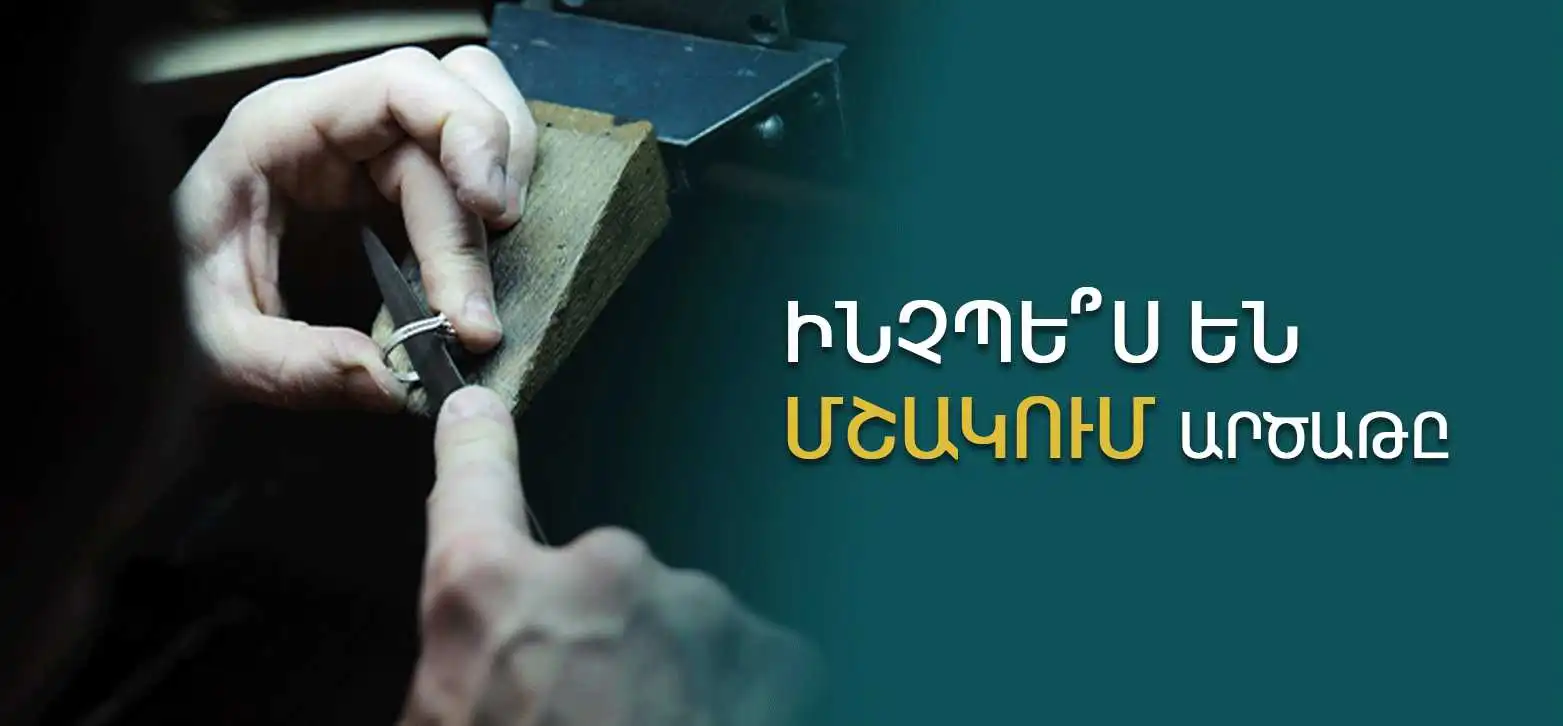
How Is Silver Processed?
<h1>How Is Silver Processed?</h1>
<p>Modern silversmithing uses both traditional techniques and innovative technologies to produce high-quality silver products.</p>
<p>The reason is simple: pure silver is a relatively soft and delicate metal. To increase its hardness and durability, silver is commonly alloyed with copper and other non-precious metals. The proportion of silver to other metals determines the silver's purity, also known as its hallmark.</p>
<p>In some less developed markets, silver purity may start at 600, meaning the alloy contains 60% silver and 40% other metals. International standards are significantly higher, and silver with a purity of 750 or above is generally considered suitable for quality products.</p>
<p>Silver with a purity of up to 875 is quite durable due to its copper content and often has a slightly yellowish tint. This type of silver is mainly used for tableware and decorative items.</p>
<p>High-quality silverware is often made from 916 silver. Such pieces are usually valued more as status symbols or family heirlooms than as everyday household items. Parts of this silverware are often decorated with enamel or gold plating, which further increases their value.</p>
<p>The most famous silver alloy, however, is sterling silver with a purity of 925. It remains the most popular choice in jewelry manufacturing. In the 14th century, the English sterling coin was made from exceptionally high-quality silver. Sterling silver received its name from these historic coins.</p>
<p>Silver with a purity of 960 or 999 is often used for creating jewelry with extremely delicate details and intricate patterns. However, because of its softness, such jewelry can be easily damaged and may lose its original appearance more quickly.</p>
<h2>Silver Finishing and Protective Coatings</h2>
<p>After silver jewelry is manufactured, it is often treated with various coatings to preserve its appearance and shine for a longer period.</p>
<h3>Uncoated Silver</h3>
<p>Silver jewelry without any protective coating has a matte appearance or a soft natural shine achieved through polishing. Many people believe that uncoated silver maintains more direct contact with the skin. However, over time, such jewelry tends to darken due to oxidation caused by exposure to air, moisture, and other environmental factors.</p>
<h3>Rhodium-Plated Silver</h3>
<p>Rhodium-plated silver is highly valued by consumers. The jewelry is covered with an extremely thin layer of rhodium, a precious metal that protects the surface from scratches, wear, and discoloration.</p>
<p>Rhodium is hypoallergenic and completely safe for everyday wear. Thanks to its hardness, rhodium plating makes silver more resistant to damage while giving it a bright, mirror-like finish that does not fade as quickly as the natural shine of untreated silver.</p>
<h3>Blackened Silver</h3>
<p>To create blackened silver, jewelry is treated with silver sulfide or special sulfur-based compounds. This technique has been used for centuries.</p>
<p>Blackening highlights decorative patterns, engravings, and relief details, making them more visible and expressive. Today, jewelers often use this method to give jewelry an antique or vintage appearance.</p>
<h3>Oxidized Silver</h3>
<p>Oxidized silver is intentionally darkened before use to create an aged effect. This process gives the jewelry a uniform darker tone and helps maintain its appearance over time. Oxidized silver is particularly popular in vintage-inspired and artisan jewelry collections.</p>
<h3>Gold-Plated Silver</h3>
<p>In the gilding process, silver jewelry is coated with a thin layer of gold, most commonly 750 gold.</p>
<p>The silver purity remains unchanged because the amount of gold used is very small. Gold-plated silver jewelry requires regular care, as frequent contact with water, cosmetics, and household chemicals can gradually wear away the gold layer.</p>
<h2>Modern Solution: E-Coating Technology</h2>
<p>One of the latest protective methods used in jewelry manufacturing is E-Coating (electrophoretic coating).</p>
<p>This transparent, environmentally friendly coating protects silver from external influences without altering its natural color. It is hypoallergenic, highly durable, and can provide protection for up to five years while preserving the jewelry's original shine and appearance.</p>
<h2>Timeless Beauty of Silver</h2>
<p>Regardless of the manufacturing method or protective coating used, silver jewelry has always been admired for its elegance, beauty, and lasting value. With proper care, silver remains one of the most beloved precious metals, combining sophistication, versatility, and timeless appeal.</p>